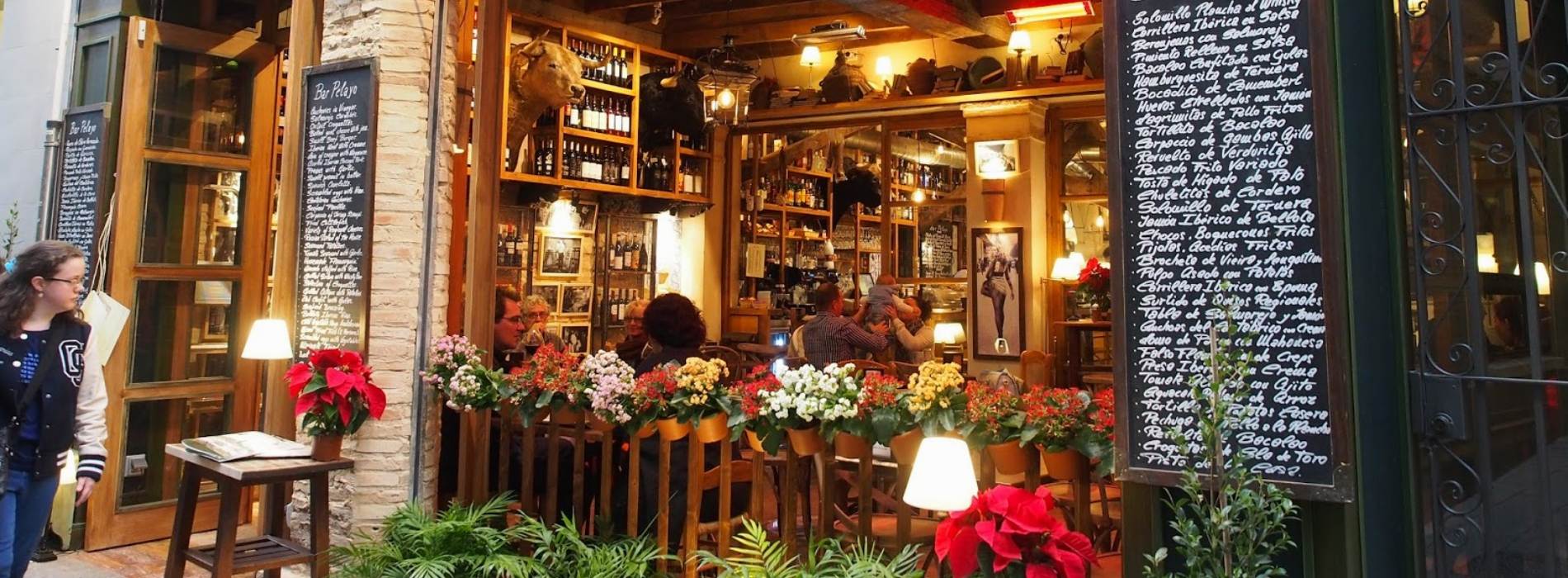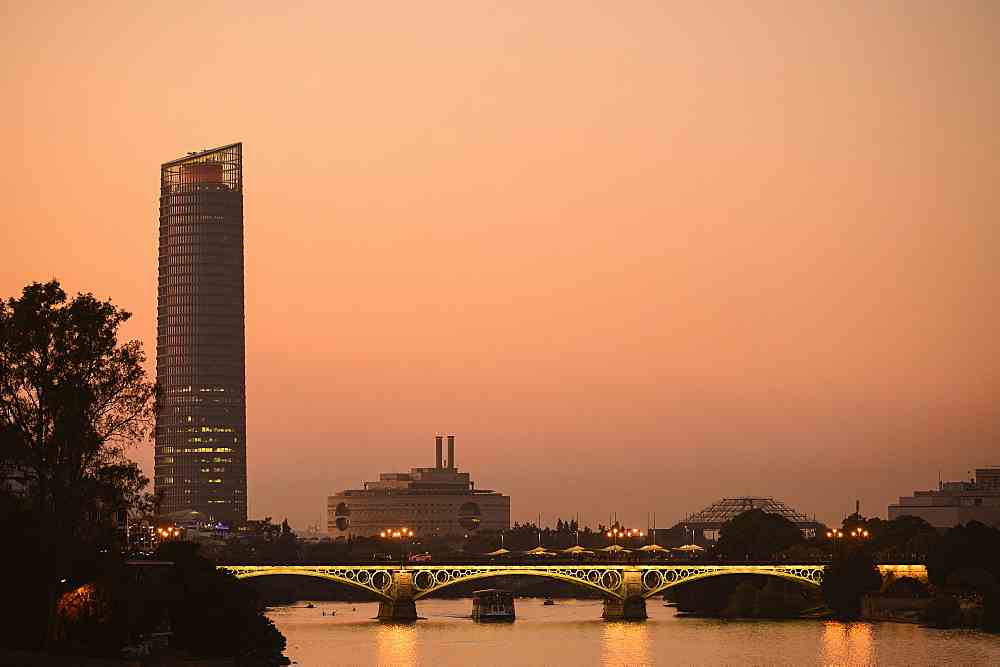
Seville is best known for its tapas bars, but the love of good food runs through everything here.
Over the last five to ten years the city has been through a gastronomic revolution, and for those of us living here new restaurants have kept opening — using new techniques and building new dishes out of the old traditional recipes.
Here is our selection of the best restaurants in Seville, with addresses and phone numbers. Several of them do not take reservations, so we have said which.
In short
- —For seafood: Cañabota. For signature cooking: Abantal. For the view: María Trifulca.
- —Brunilda takes no reservations — arrive as it opens or expect a queue.
- —Eslava does tapas at the bar and full service in the dining room behind.
- —Most kitchens open at 20.30 or later; booking a day or two ahead is usually enough.
01
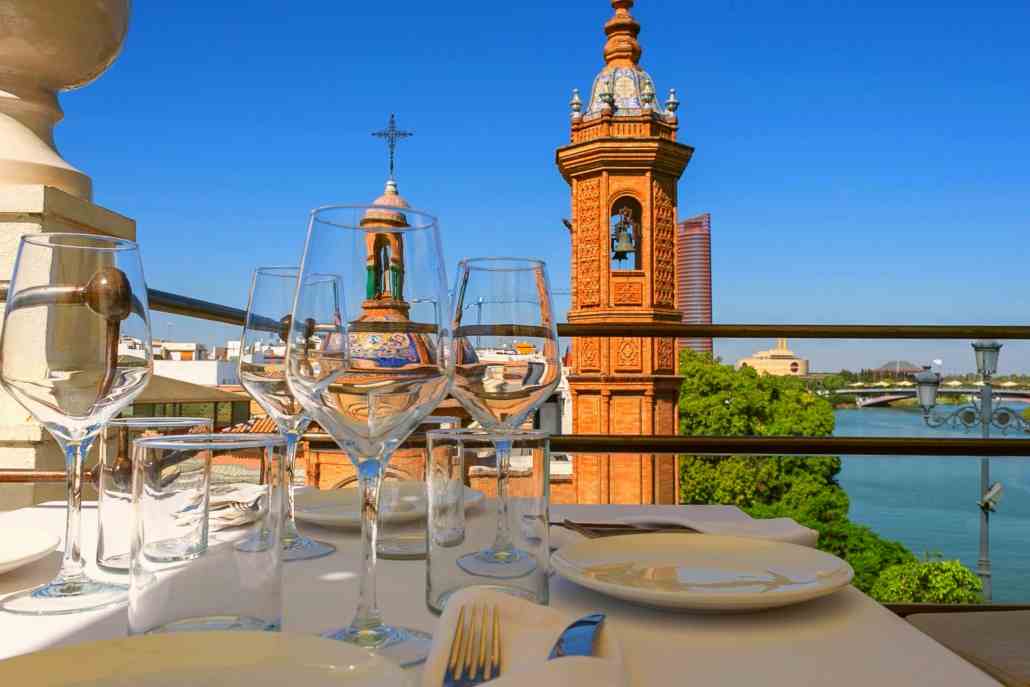
María Trifulca
One of the most extraordinary views in the city: on the Guadalquivir, facing all the essential monuments, with delicate first-class cooking to match.
02
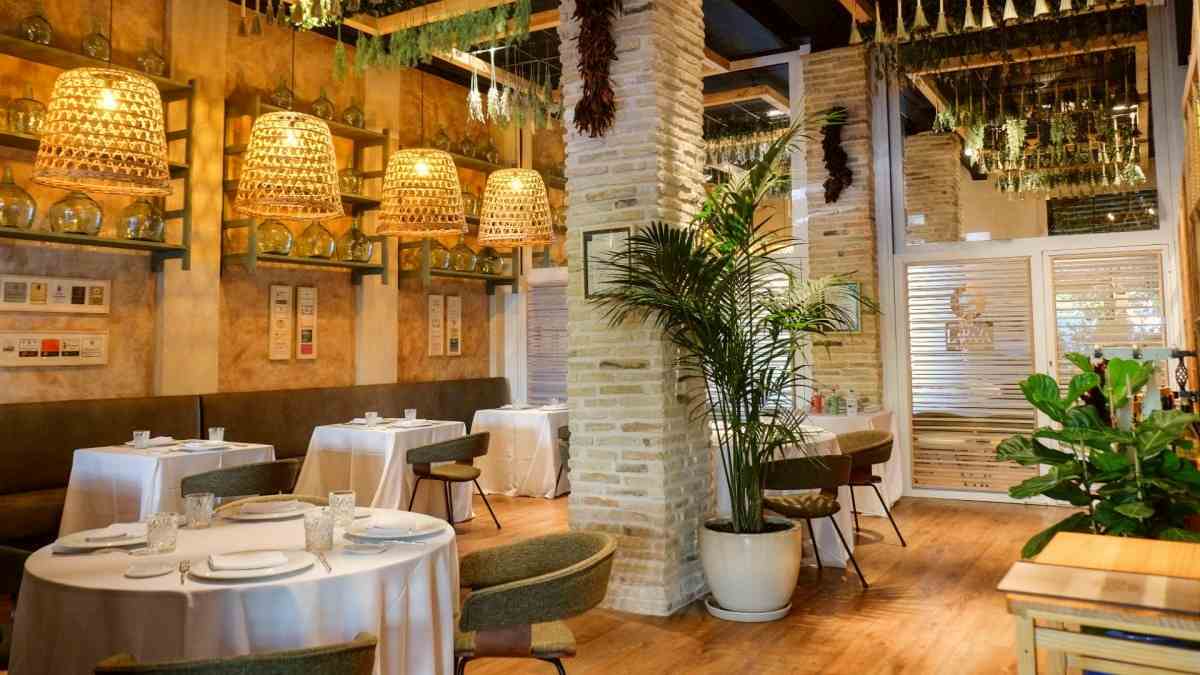
Ispal
Chef Antonio Bort has built a menu of dishes typical to the capital made with 100% Sevillian products. The room is spacious and full of plants, innovative and welcoming at the same time.
03
Cañabota
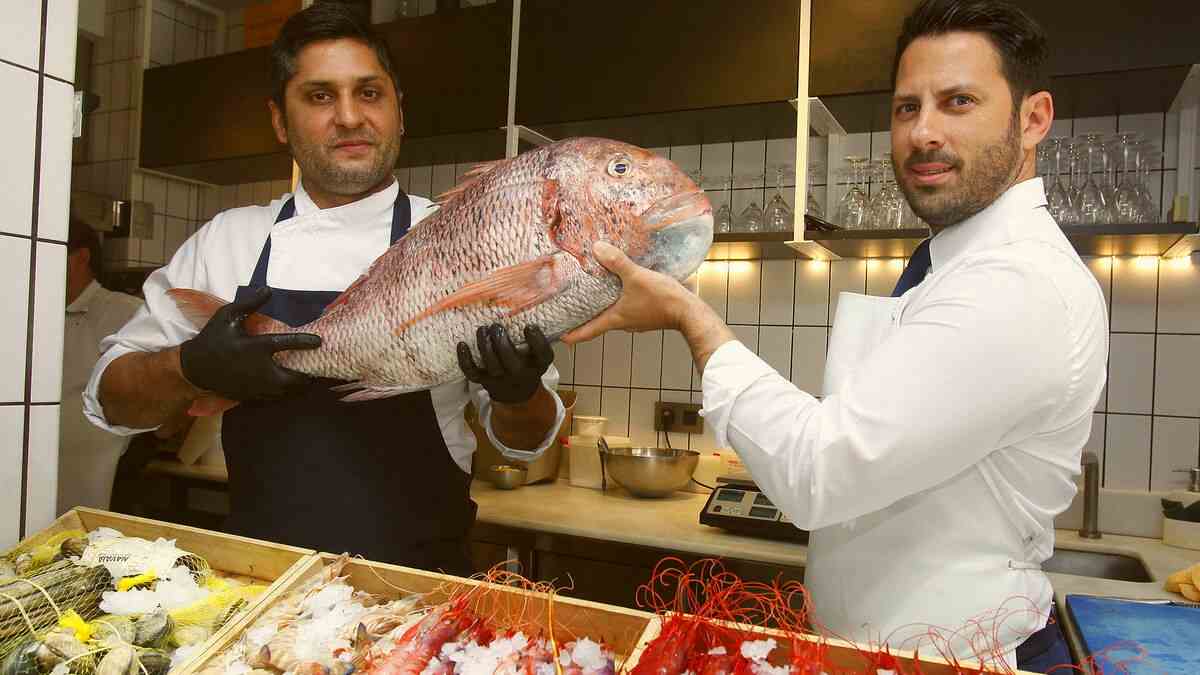
Spectacular cooking with the kitchen in front of you. The best restaurant in Seville for fish and seafood — raw material treated with care, and the undisputed centre of everything on the plate.
04
La Azotea
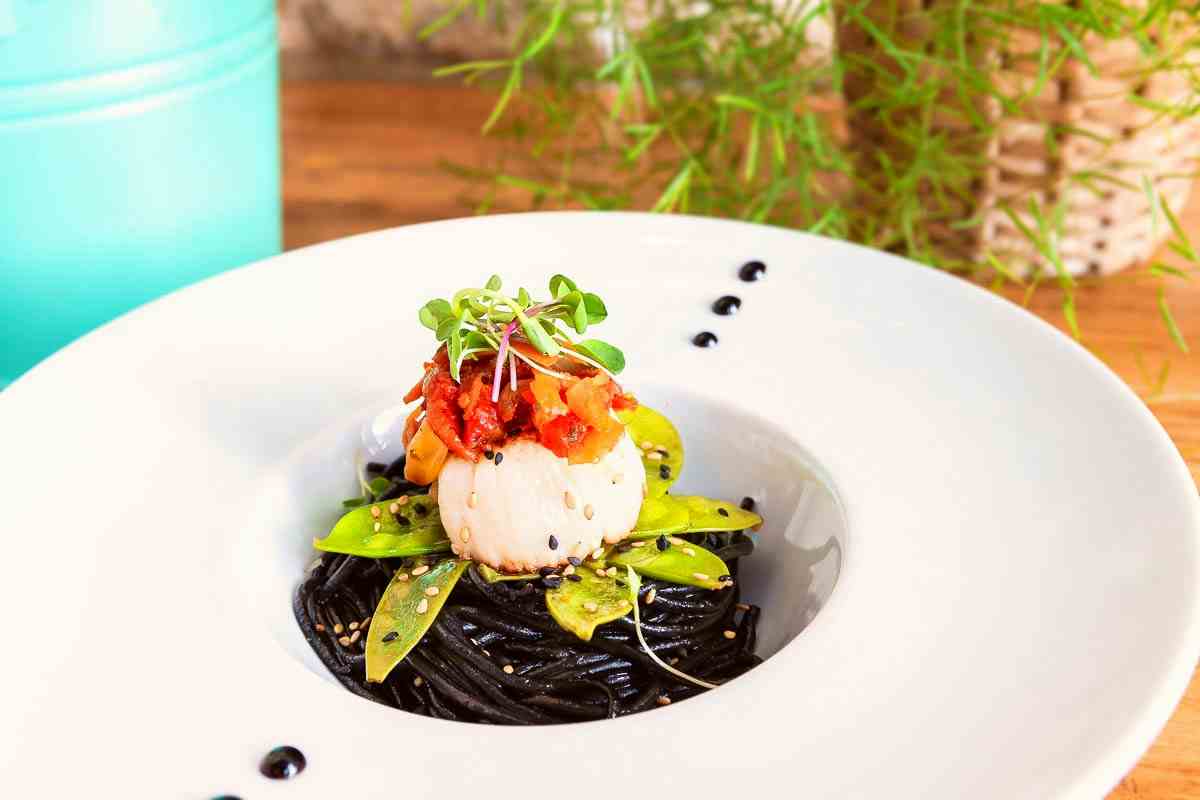
A combination of tapas bar and restaurant, with excellent signature cooking, high-end dishes and first-class produce. There are four addresses across the city: Conde de Barajas 13, Jesús del Gran Poder 31, Zaragoza 5 and Mateos Gago 8.
05
El Pintón
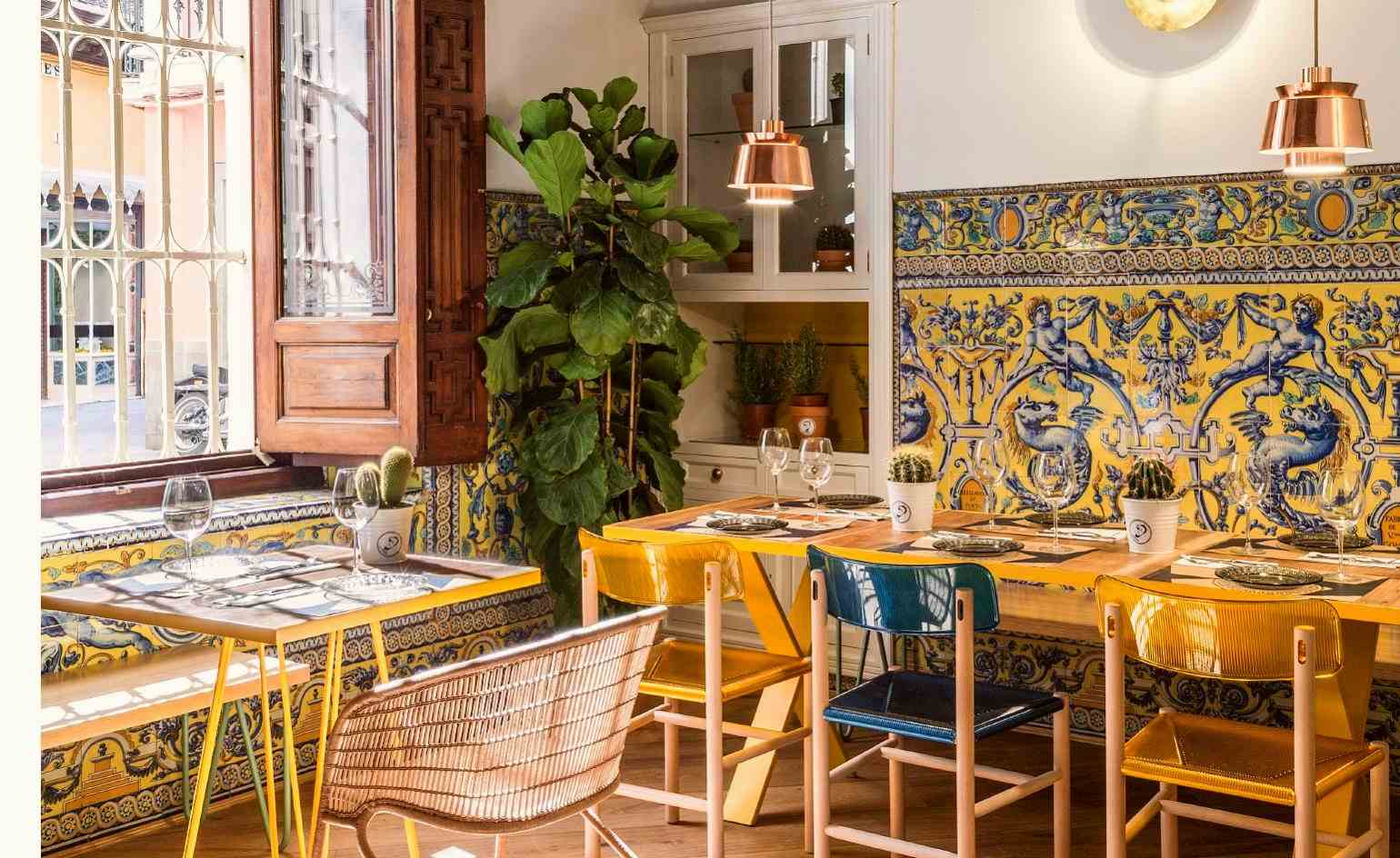
Traditional tilework combined with a thoroughly current style, set around a beautiful Sevillian patio where the food is not the only thing worth your attention. After dinner it turns into a cocktail bar, and the cocktails are first class.
06
Manolo León
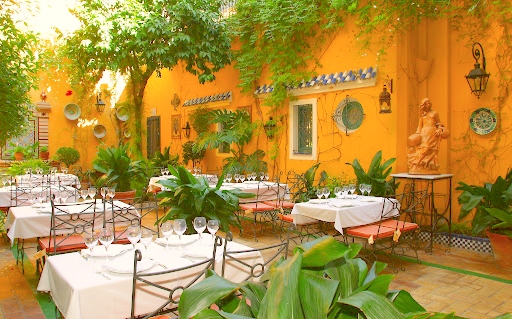
This elegant restaurant opened in 1994, five minutes from the centre. It has a patio and garden for dining, which gives it a genuinely romantic atmosphere, and in winter the garden is covered over. The idea is a long dinner of shared dishes among friends.
07
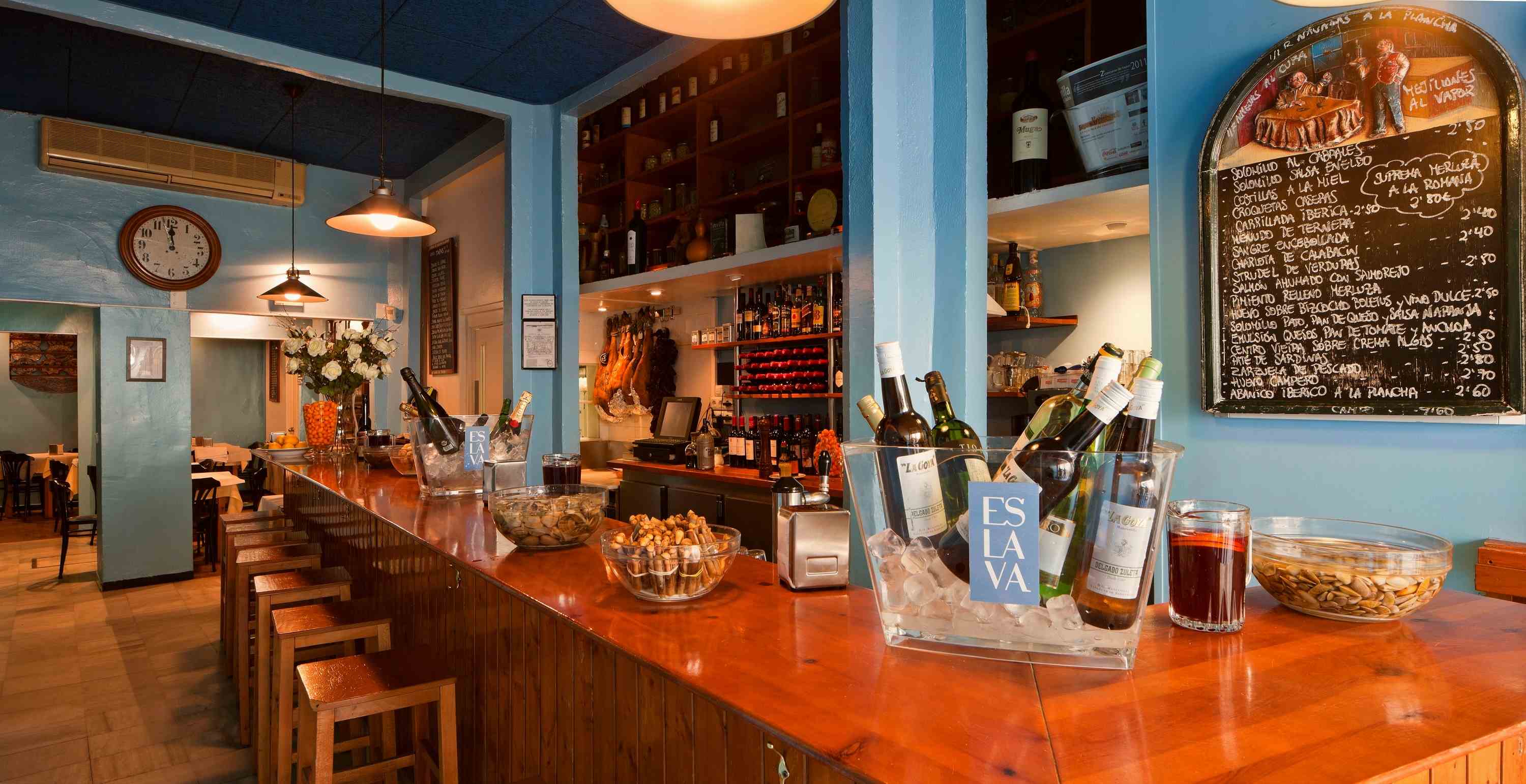
Eslava
One of the best-reviewed restaurants in Seville, decorated throughout in a surprising blue. There is a street terrace and tapas at the bar, with tables for a full dinner in the inner room. It stands directly in front of the church of Jesús del Gran Poder.
08
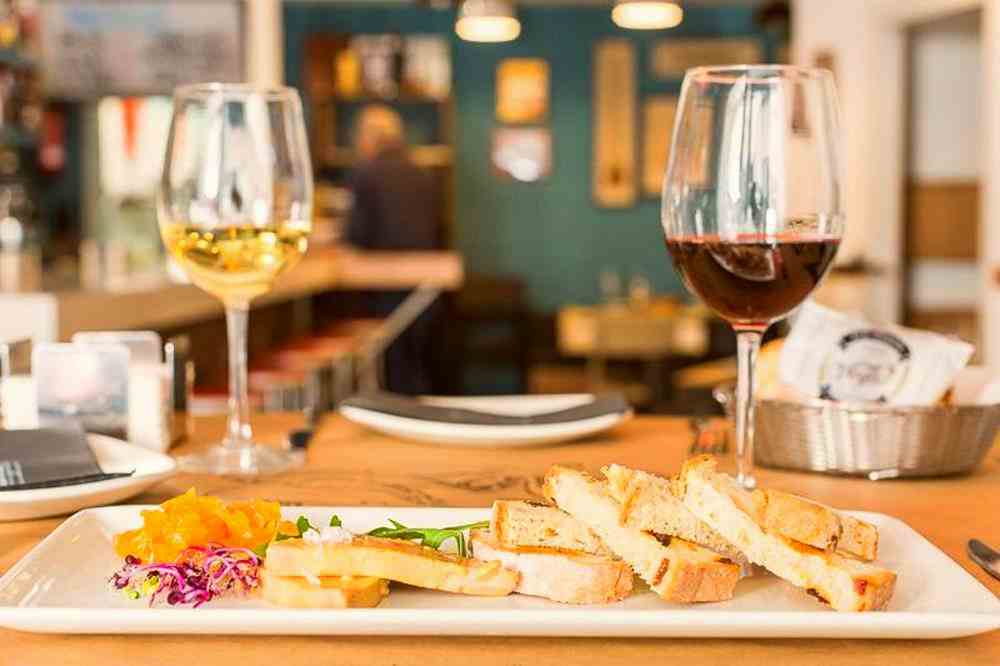
Brunilda
Behind the big blue door: exposed brick, wooden floors, high ceilings, very good food and a lot of noise. The menu changes constantly and is full of good examples of Seville's new cooking. There are no reservations, so when it opens in the evening there is usually a queue.
09
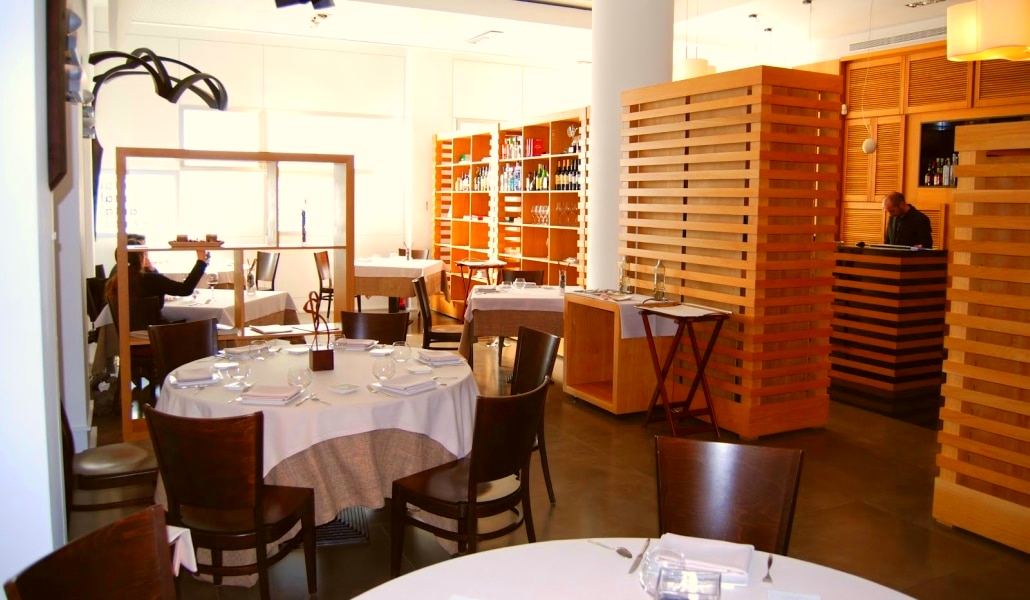
Abantal
One phrase defines Abantal: signature cooking, seasonal cooking, good produce and a traditional base. The principles of Andalusian gastronomy are honoured at every service.
Julio Fernández Quintero is willing to bet on technique in a city whose cooking is largely classic, and his ideas add flavour and invention to the lively Santa Justa neighbourhood.
How to eat well in Seville
Sevillians eat late. Kitchens generally open at 20.30 or later for dinner, and 14.00 for lunch, and a restaurant that is empty at eight will be full at ten. Booking a day or two ahead is usually enough except at Cañabota and Abantal, which need longer.
All of these places show a real passion for Seville's food traditions, carried from one generation to the next. The tapas bars and the new kitchens are not in competition here — most locals use both in the same week.
If you would like to understand more about the city's history and food traditions, come out with us on the Best Tapas Tour or any of our other food and wine experiences. We can also book a table and build an evening around it.
Frequently asked questions
{{ f.q }}+
{{ f.a }}

Written by
Gunvor Guttormsen
Licensed tour guide · Seville
Gunvor is an officially licensed guide based in Seville and the founder of Flavors of Andalucia. She guides in English and Norwegian, and also in Swedish and Danish, and has spent years walking the markets, bodegas and back streets she writes about here.
More about Gunvor